Alzheimer’s Disease
Alzheimer’s disease is a progressive neurological disorder that affects memory, thinking, behavior, and daily functioning. It is the most common cause of dementia in older adults and gradually damages brain cells over time. Patients with Alzheimer’s disease may experience memory loss, confusion, difficulty communicating, personality changes, and problems performing routine activities. Early diagnosis and proper treatment can help manage symptoms and improve quality of life.
Modern neurological care and advanced diagnostic techniques help doctors identify Alzheimer’s disease at an early stage, allowing better treatment planning, cognitive support, and long-term patient care.
What is Alzheimer’s Disease?
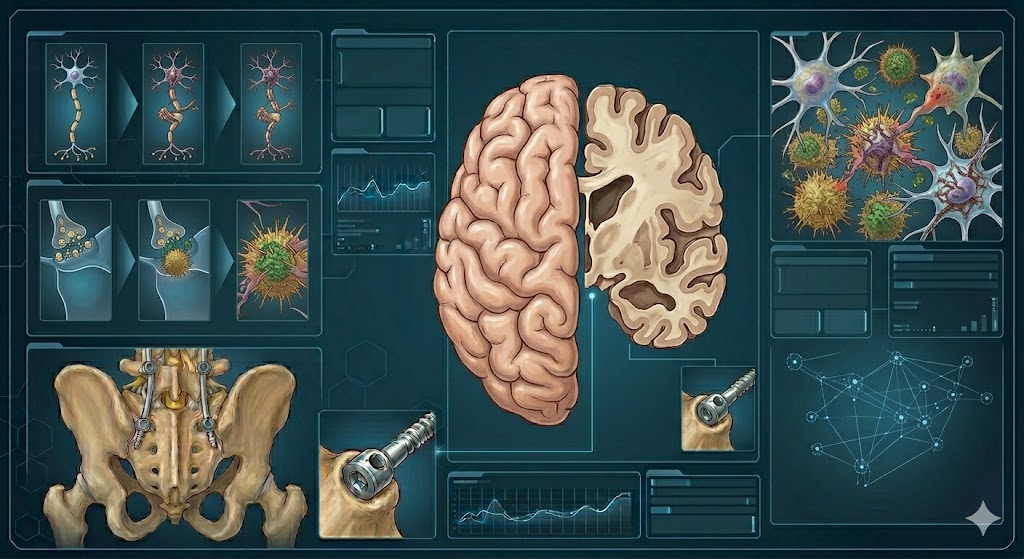
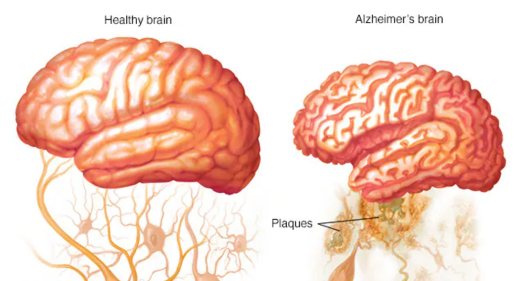
Alzheimer’s disease is a brain disorder that slowly destroys memory and cognitive abilities. The condition occurs when abnormal protein deposits build up in the brain, leading to damage and death of nerve cells. As the disease progresses, patients may lose the ability to think clearly, communicate properly, and perform everyday tasks independently.
The disease mainly affects older adults, although early-onset Alzheimer’s can develop in younger individuals. It commonly progresses gradually over several years.
Causes of Alzheimer’s Disease
- Age-related brain changes
- Genetic and family history factors
- Abnormal protein deposits in the brain
- High blood pressure and diabetes
- Head injuries or trauma
- Smoking and excessive alcohol use
- Obesity and unhealthy lifestyle
- Lack of physical and mental activity
- Chronic stress and poor sleep patterns
Symptoms of Alzheimer’s Disease
Symptoms usually develop slowly and worsen over time. Early signs may be mild but gradually interfere with daily activities and independence.
- Memory loss and forgetfulness
- Difficulty speaking or finding words
- Confusion with time and place
- Difficulty making decisions
- Mood swings and personality changes
- Problems with concentration
- Difficulty recognizing family members
- Trouble completing routine tasks

Diagnosis of Alzheimer’s Disease
Doctors diagnose Alzheimer’s disease using neurological examinations, memory tests, brain imaging, and laboratory investigations. Early diagnosis helps begin treatment sooner and improves long-term care planning.
- Neurological examination
- Memory and cognitive testing
- MRI or CT brain scans
- Blood investigations
- Psychological assessment
Treatment for Alzheimer’s Disease
Although there is currently no complete cure for Alzheimer’s disease, treatment focuses on slowing symptom progression, improving brain function, and enhancing the patient’s quality of life.
- Memory-enhancing medications
- Behavioral therapy
- Cognitive rehabilitation
- Lifestyle and dietary modifications
- Physical and mental exercises
- Supportive caregiver assistance
Stages of Alzheimer’s Disease
Alzheimer’s disease progresses through different stages, each affecting the patient’s cognitive and physical abilities differently.
Early Stage
- Mild memory loss
- Difficulty remembering names
- Occasional confusion
Moderate Stage
- Increased confusion
- Difficulty with daily activities
- Behavioral and mood changes
- Need for regular supervision
Advanced Stage
- Severe memory impairment
- Loss of communication ability
- Difficulty swallowing and walking
- Complete dependence on caregivers
Prevention and Brain Health
- Regular physical activity
- Healthy balanced diet
- Mental stimulation and reading
- Social interaction
- Control of diabetes and blood pressure
- Adequate sleep and stress management
- Avoid smoking and excessive alcohol
Benefits of Early Alzheimer’s Care
- Better symptom management
- Improved quality of life
- Slower progression of cognitive decline
- Enhanced patient safety
- Support for caregivers and families
- Improved long-term treatment planning