Introduction
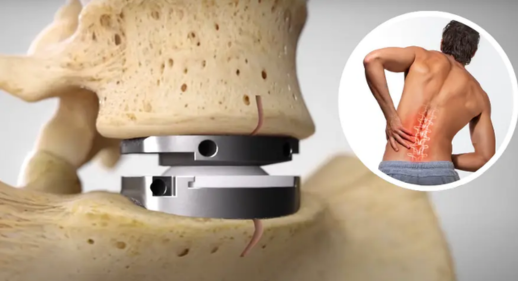
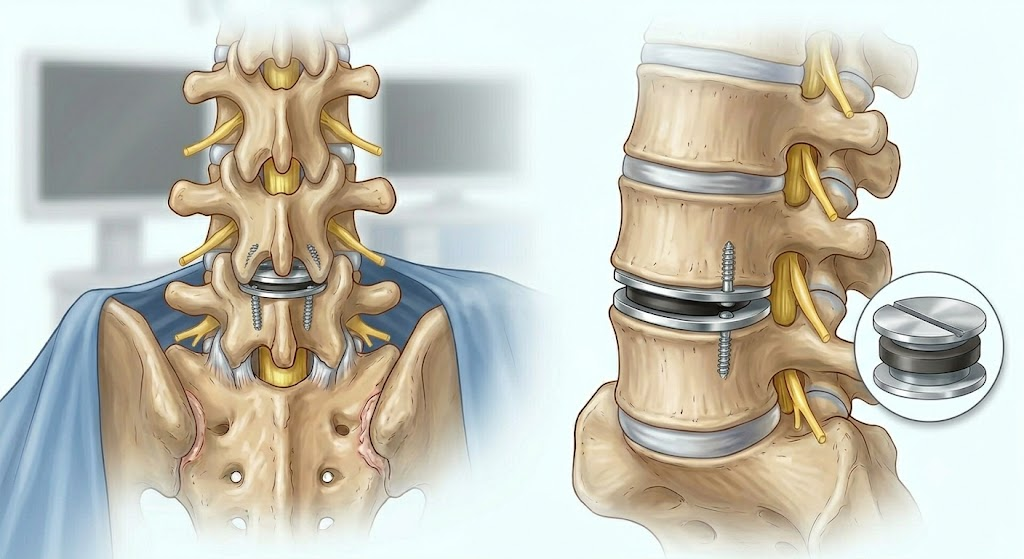
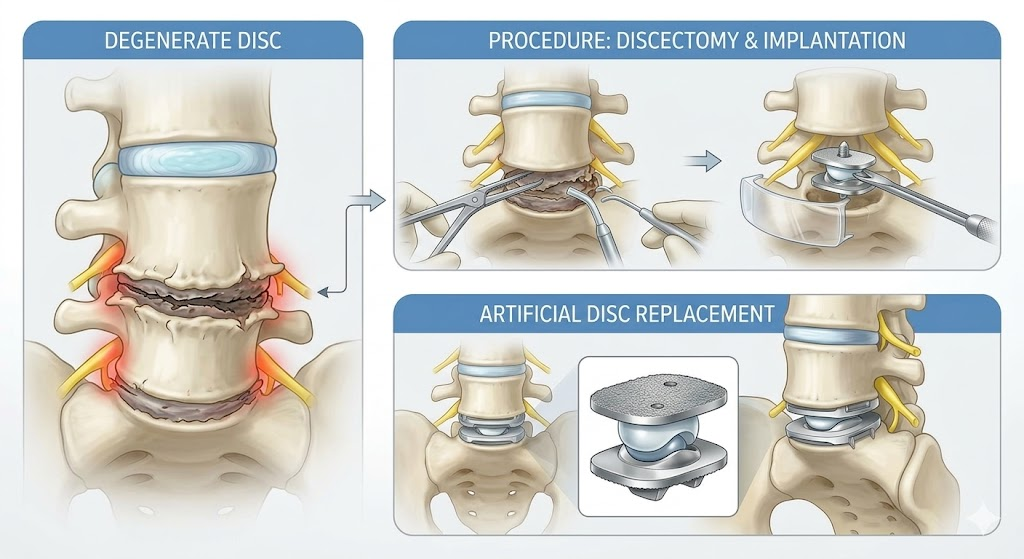
Artificial Disc Replacement (ADR), also known as Total Disc Replacement, is an advanced spine surgery used to treat chronic neck or back pain caused by damaged spinal discs. The procedure involves removing a diseased disc and replacing it with an artificial implant that preserves natural spinal movement and flexibility.
Unlike traditional spinal fusion surgery, Artificial Disc Replacement maintains motion between the vertebrae, helping patients achieve better mobility and reducing stress on nearby spinal segments. This modern procedure is becoming increasingly popular because of its effectiveness and faster recovery.
Advances in spine surgery technology have made Artificial Disc Replacement safer, minimally invasive, and highly successful for suitable patients suffering from degenerative disc disease and chronic spinal pain.
What is Artificial Disc Replacement?
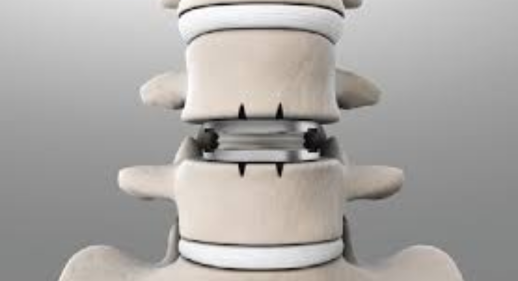
Artificial Disc Replacement is a surgical procedure in which a damaged spinal disc is removed and replaced with a prosthetic artificial disc designed to mimic the function of a healthy natural disc.
The artificial implant helps preserve spinal movement, flexibility, and alignment while relieving pressure on spinal nerves. The procedure is commonly performed in the cervical spine (neck) and lumbar spine (lower back).
- Preserves natural spinal motion
- Reduces chronic neck and back pain
- Maintains flexibility and mobility
- Relieves nerve compression
- Improves spinal function
Conditions Treated with Artificial Disc Replacement
- Degenerative Disc Disease
- Herniated Disc
- Chronic Neck Pain
- Chronic Lower Back Pain
- Radiculopathy
- Disc Collapse
- Nerve Compression
- Spinal Disc Degeneration
Diagnosis Before Artificial Disc Replacement
- Physical Examination
- MRI Scan
- CT Scan
- X-rays
- Discography
- Electromyography (EMG)
Recovery After Artificial Disc Replacement
Recovery depends on the patient’s overall health, spinal condition, and type of surgery performed. Most patients experience noticeable pain relief and improved movement after surgery.
Immediate Postoperative Recovery
- Patients are monitored after surgery
- Walking may begin within 24 hours
- Pain medications help manage discomfort
- Hospital stay usually lasts 1 to 3 days
Physical Rehabilitation
- Improves flexibility
- Strengthens spinal muscles
- Restores posture
- Enhances mobility
Returning to Normal Activities
- Light activities may resume within a few weeks
- Heavy lifting should be avoided initially
- Full recovery may take several weeks to months
Benefits of Artificial Disc Replacement
- Preserves spinal motion
- Reduces chronic pain
- Improves flexibility and mobility
- Faster recovery compared to spinal fusion
- Reduces stress on nearby spinal discs
- Improves overall quality of life