Parkinson’s Disease
Parkinson’s disease is a progressive neurological disorder that affects movement, balance, coordination, and muscle control. The condition develops gradually when nerve cells in the brain responsible for producing dopamine become damaged or die. Reduced dopamine levels interfere with normal body movements, leading to symptoms such as tremors, stiffness, slowed movement, and difficulty maintaining balance. Early diagnosis and proper treatment can help improve mobility, reduce symptoms, and enhance quality of life.
Modern neurological treatments and rehabilitation therapies have significantly improved the management of Parkinson’s disease. Advanced medications, physiotherapy, and surgical techniques can help patients maintain independence and daily functioning for many years.
What is Parkinson’s Disease?
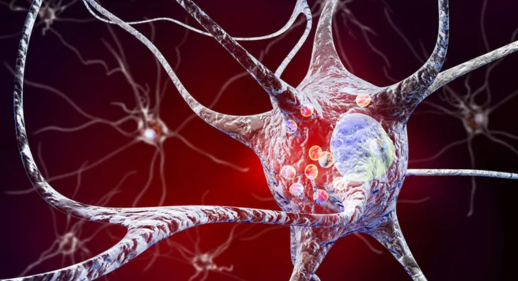
Parkinson’s disease is a chronic neurodegenerative disorder that primarily affects movement and muscle coordination. It occurs due to the gradual loss of dopamine-producing nerve cells in a part of the brain called the substantia nigra. Dopamine is an important chemical messenger that helps regulate smooth and controlled body movements.
As dopamine levels decrease, patients may experience tremors, muscle stiffness, slowed movements, and balance problems. The disease usually develops slowly and progresses over time.
Causes of Parkinson’s Disease
- Loss of dopamine-producing brain cells
- Genetic and hereditary factors
- Age-related neurological changes
- Exposure to toxins and pesticides
- Head injuries or trauma
- Oxidative stress and inflammation
- Environmental risk factors
- Family history of Parkinson’s disease
- Certain neurological disorders
Symptoms of Parkinson’s Disease
Symptoms of Parkinson’s disease usually begin gradually and worsen over time. Early symptoms may be mild and often affect only one side of the body.
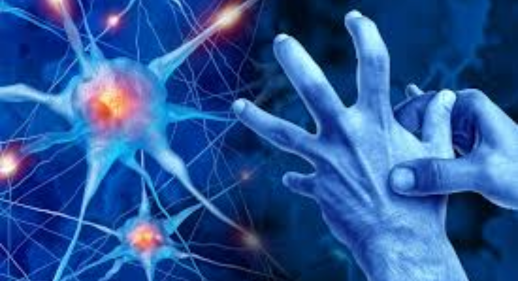
- Tremors or shaking of hands and fingers
- Muscle stiffness and rigidity
- Slowed body movements (bradykinesia)
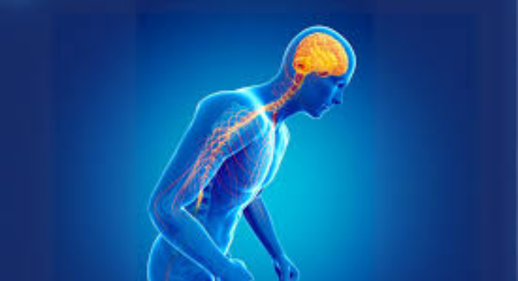
- Difficulty maintaining balance
- Changes in handwriting
- Soft or slurred speech
- Reduced facial expressions
- Walking difficulties
- Fatigue and weakness
Diagnosis of Parkinson’s Disease
Parkinson’s disease is diagnosed through neurological examination, medical history evaluation, and specialized imaging studies. Early diagnosis helps begin treatment before symptoms become severe.
- Neurological examination
- Assessment of tremors and movement
- Balance and coordination testing
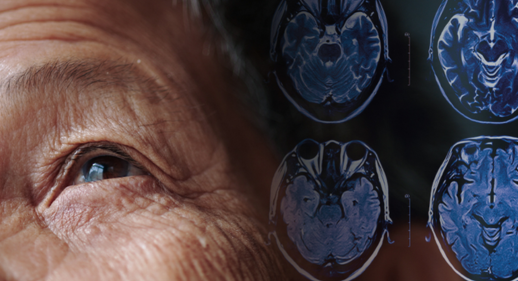
- MRI or CT brain scans
- Dopamine transporter imaging
- Evaluation of response to medications
Treatment for Parkinson’s Disease
Although Parkinson’s disease cannot be completely cured, several treatment options help control symptoms and improve quality of life.
- Dopamine replacement medications
- Physical and occupational therapy
- Speech therapy
- Deep Brain Stimulation (DBS)
- Lifestyle and dietary modifications
- Exercise and rehabilitation programs
Stages of Parkinson’s Disease
Parkinson’s disease progresses through different stages, affecting mobility and independence over time.
Early Stage
- Mild tremors and stiffness
- Symptoms affect one side of the body
- Minimal impact on daily activities
Moderate Stage
- Balance and walking difficulties
- Slower body movements
- Increased muscle rigidity
- Need for assistance with some activities
Advanced Stage
- Severe mobility limitations
- Difficulty speaking and swallowing
- Increased risk of falls
- Dependence on caregivers
Lifestyle and Prevention Tips
- Exercise regularly to improve mobility
- Maintain a healthy balanced diet
- Engage in mental and social activities
- Manage stress effectively
- Get adequate sleep and rest
- Avoid smoking and alcohol abuse
- Protect against head injuries
Benefits of Early Parkinson’s Care
- Better symptom management
- Improved movement and balance
- Enhanced quality of life
- Reduced risk of complications
- Improved independence in daily activities
- Support for patients and caregivers