Introduction
Spinal Fusion is a specialized surgical procedure used to permanently join two or more vertebrae in the spine. The primary goal of spinal fusion surgery is to stabilize the spine, reduce pain, correct deformities, and improve spinal strength. The procedure is commonly recommended for patients suffering from spinal instability, degenerative disc disease, spinal fractures, scoliosis, spinal stenosis, herniated discs, or severe chronic back pain that does not respond to non-surgical treatments.
The human spine plays a vital role in supporting body weight, protecting the spinal cord, and allowing movement. When the spinal bones become unstable or damaged, they may cause nerve compression, severe pain, and reduced mobility. Spinal fusion helps eliminate painful motion between vertebrae and restores spinal stability.
Modern advancements in spine surgery have made spinal fusion safer and more effective than ever before. Minimally invasive techniques, advanced imaging systems, and improved surgical instruments now allow faster recovery, smaller incisions, and better long-term outcomes for patients.
What is Spinal Fusion?
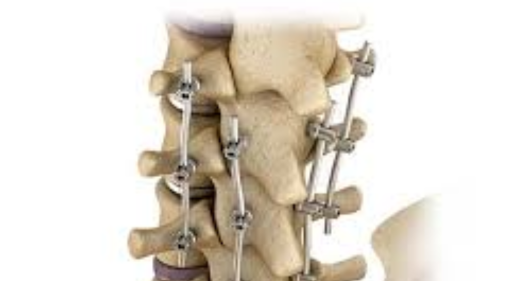
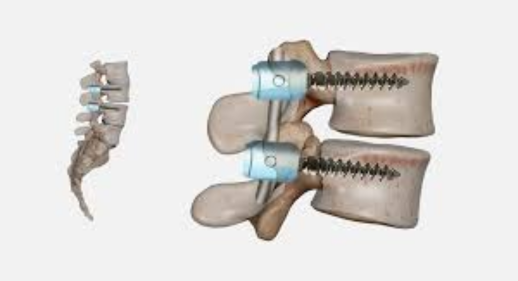
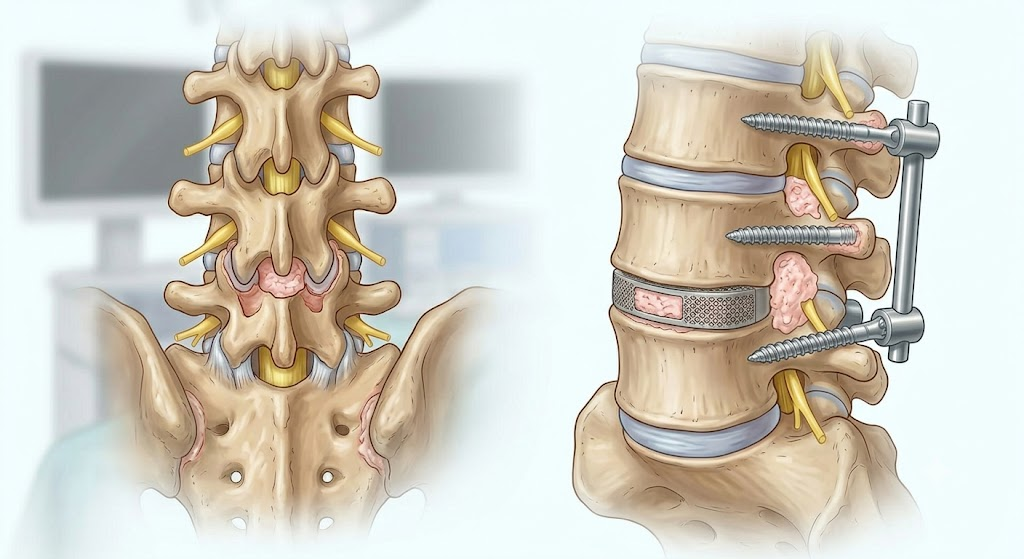
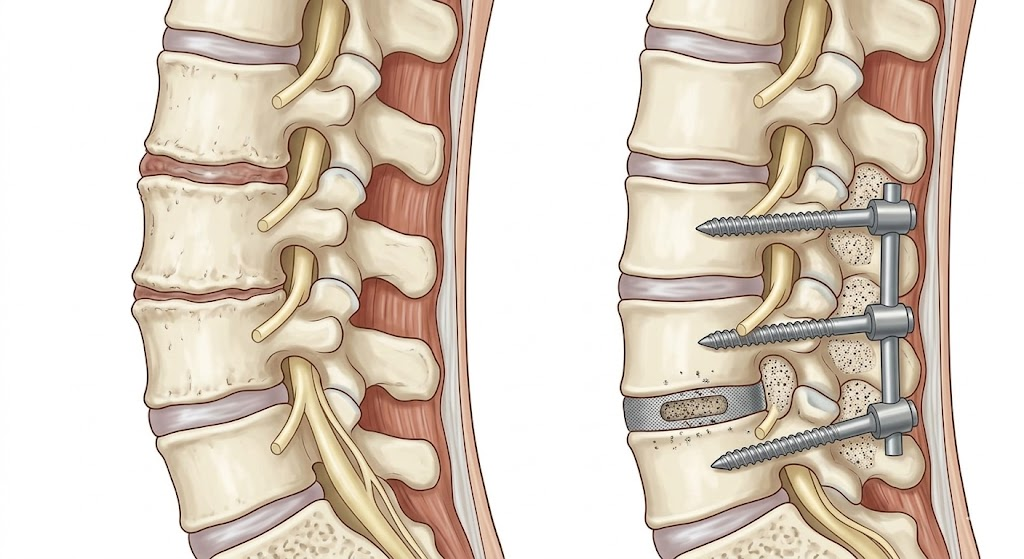
Spinal fusion is a surgical procedure in which two or more vertebrae are permanently connected using bone grafts, screws, rods, cages, or plates. Over time, the bones heal together and form a single solid structure.
The surgery eliminates abnormal movement between vertebrae, reduces nerve irritation, and improves spinal alignment. Depending on the condition, fusion may involve:
- Bone graft placement
- Metal screws and rods
- Interbody cages
- Spinal implants
- Disc removal
Types of Spinal Fusion Surgery
- Cervical Spinal Fusion
- Lumbar Spinal Fusion
- Thoracic Spinal Fusion
- Anterior Lumbar Interbody Fusion (ALIF)
- Posterior Lumbar Interbody Fusion (PLIF)
- Transforaminal Lumbar Interbody Fusion (TLIF)
- Lateral Lumbar Interbody Fusion (LLIF)
- Minimally Invasive Spinal Fusion
Diagnosis Before Spinal Fusion
- Physical Examination
- MRI Scan
- CT Scan
- X-rays
- Bone Scans
- Electromyography (EMG)
Recovery After Laminectomy
Recovery varies based on the patient’s age, health, and type of surgery performed.
Immediate Postoperative Recovery
- Patients are monitored in the recovery room
- Walking may begin within 24 hours
- Pain medications are provided
- Hospital stay may range from 1 to 3 days
Physical Rehabilitation
- Flexibility
- Muscle strength
- Posture
- Mobility
Physical Rehabilitation
- Flexibility
- Muscle strength
- Posture
- Mobility
Returning to Normal Activities
- Light activities may resume within a few weeks
- Heavy lifting should be avoided initially
- Full recovery may take several weeks to months
Benefits of Spinal Fusion Surgery
- Pain Relief
- Improved Stability
- Better Posture and Alignment
- Reduced Nerve Compression
- Improved Quality of Life
- Enhanced Mobility